Most “safety guides” for casino play read like they were written by people who’ve never had a deposit bounce at 11pm on a Sunday. Here’s a different angle: if your cashier flow is clumsy, your verification drags, or your withdrawals vanish into a void, none of the responsible gambling tips on Earth will save your bankroll. The way you play casino games safely starts – honestly – at the cashier window, not at the pokies.
The Australian Interactive Gambling Act makes it illegal for operators to offer real-money online casino games to people physically in Australia, so locals who do play are typically using offshore-licensed platforms. That puts the burden of safety squarely on the player: read the small print, test the cashier, and treat every bonus like a contract. For those who also enjoy a weekend spin or a hand of blackjack, the same principles apply – and the same traps do too. A trusted aggregator like wanteddeadorawildau.com is a sensible starting point when you’re sizing up unfamiliar brands.
Reading the cashier like a seasoned operator
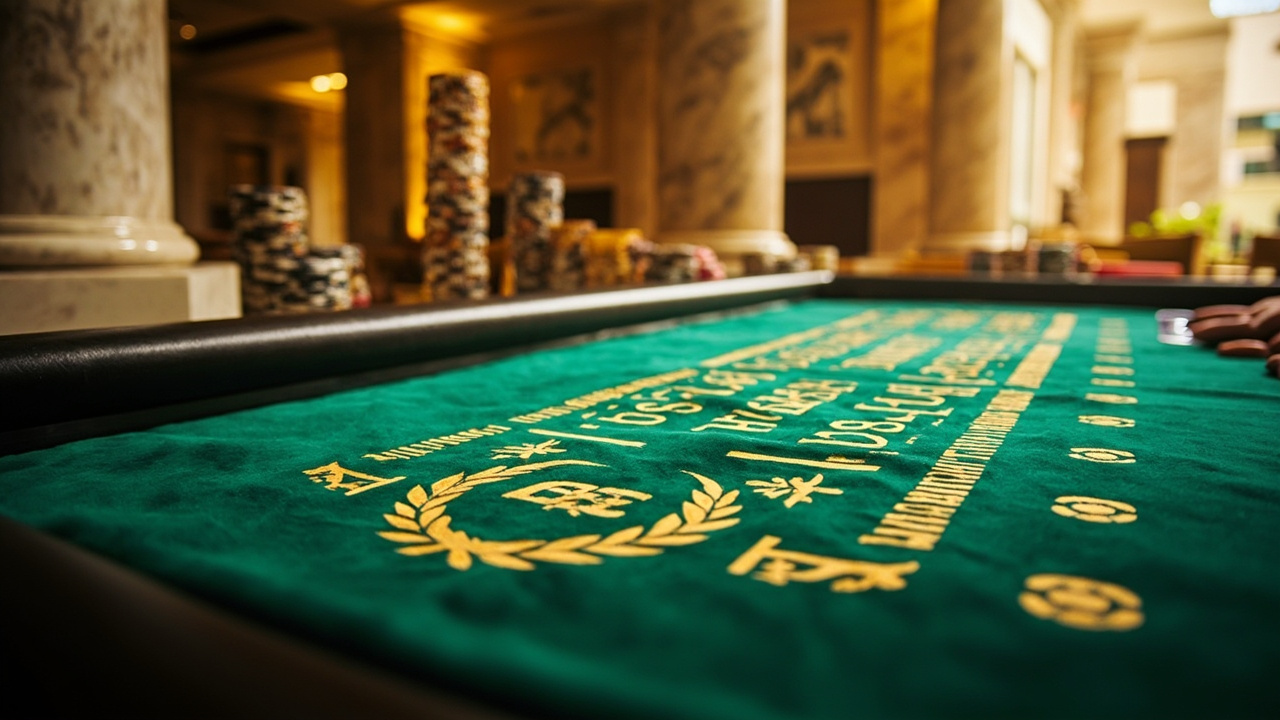
This is where most Australian players get burnt, and it’s where someone who spends half their year closing deals in Asian gaming hubs notices things locals miss. In Southeast Asia – say Resorts World or Genting Highlands in Malaysia – the cashier counter is staffed, audited, and visible. Online, that transparency has to be engineered into the platform itself. Look for a cashier that publishes deposit and withdrawal limits in AUD, lists every fee in writing, and shows estimated processing times before you commit.
| Payment method | Typical deposit speed | Typical withdrawal speed | Watch out for |
|---|---|---|---|
| Debit card (Visa/Mastercard) | Instant | 1-3 business days | Some banks block gambling transactions |
| Bank transfer / Osko | Same day | 1-4 business days | Holds on first withdrawal |
| E-wallets (Skrill, Neteller, MiFinity) | Instant | Under 24 hours | Account fees if dormant |
| Crypto (BTC, ETH, USDT) | 10-30 minutes | 10-60 minutes | Volatility, network fees |
If a site hides its payment menu behind three layers of account menus, that’s a tell. Good operators expose the cashier from the lobby and let you see limits before you log in.
Verification is the second checkpoint, and it’s non-negotiable. A legitimate site will ask for photo ID and proof of address before your first withdrawal – not because they’re being difficult, but because their licence requires it. Submit your licence, a recent utility bill, and bank statement early. The players who complain about slow payouts are almost always the ones who waited until they were cashing out to upload their documents.
Bonuses, game weighting, and the dark patterns to watch for
Bonus terms are where safety quietly collapses. A “100% match up to $500” sounds generous until you see the 50x wagering requirement and discover that table games contribute 10% while pokies contribute 100%. Suddenly your “free” $500 needs $25,000 in turnover before it’s withdrawable.
A practical example: imagine it’s a Saturday arvo in Canberra, you’re on the couch with a beer, and you spot a $200 welcome bonus. You deposit $200, you think you’re playing with $400, you have a crack at blackjack, and you lose the whole stack in twenty minutes. None of that $200 was ever really yours – it was locked bonus money with a 50x multiplier attached. Reading the bonus terms first would have told you blackjack barely counts toward wagering.
Then there are the darker design tricks. “Dark patterns” in gambling apps are interface choices that nudge you toward spending more – pre-selected max bet boxes, deposit buttons placed where the “cancel” button should be, countdown timers that push you to claim bonuses before you’ve read them. Any operator that uses these is telling you they value short-term deposits over long-term trust. Steer clear.
Game selection matters too, though it rarely gets discussed honestly. Pokies from named providers (NetEnt, Microgaming, Pragmatic Play, Play’n GO) publish their RTPs and are independently audited. Mystery providers with no licence information and no audit trail are a different story – if you can’t find their return-to-player percentage, you can’t make an informed call about whether the game is fair. And while we’re at it: a “line” in bingo is simply one horizontal row marked off, and progressive jackpots work as a pooled prize that grows until someone hits the trigger combination.
Limits, self-exclusion, and what real safety looks like
Real safety has three pillars: deposit limits, time-out tools, and self-exclusion that actually works. A serious operator lets you set daily, weekly, or monthly deposit caps from your account dashboard – not buried in a help-desk email. They also integrate with services like BetStop, Australia’s national self-exclusion register, so one block covers every licensed local platform.
Outside those tools, the habits that keep your play sustainable are boring but effective:
- Set a hard loss limit before you log in, and walk away when you hit it.
- Never chase a withdrawal by depositing more to “unlock” it.
- Keep gambling money in a separate e-wallet, never your primary bank account.
- Treat any session longer than two hours as a red flag, not a flex.
And remember: no legitimate system can guarantee a win or a payout on demand. Anyone promising you a “sure thing” or a “system that beats the house” is selling you a fantasy. The house edge is real, variance is real, and the only thing you control is how much you expose yourself to both.
The verdict
If you’re an Australian adult weighing up where – or whether – to play online, the honest fit verdict is this: the safest setup combines a licensed offshore operator with transparent AUD-friendly cashier terms, a clear bonus policy, named game providers with published RTPs, and working limit tools. Sites that hide their payment details, use dark-pattern interfaces, or bury verification behind withdrawal requests are not safe, full stop. Compare the cashier first, the bonus second, and the game library third, and you’ll defo end up ahead of the players who do it backwards.